Jadeite Buying Guide: Material, Treatments and What to Check
Choosing a first piece of jadeite means separating several questions: what the material is, whether it has been treated, how it looks, and whether the size and purchase terms suit you. This guide explains what to check before ordering and where to find more detail.
What Jadeite Actually Is
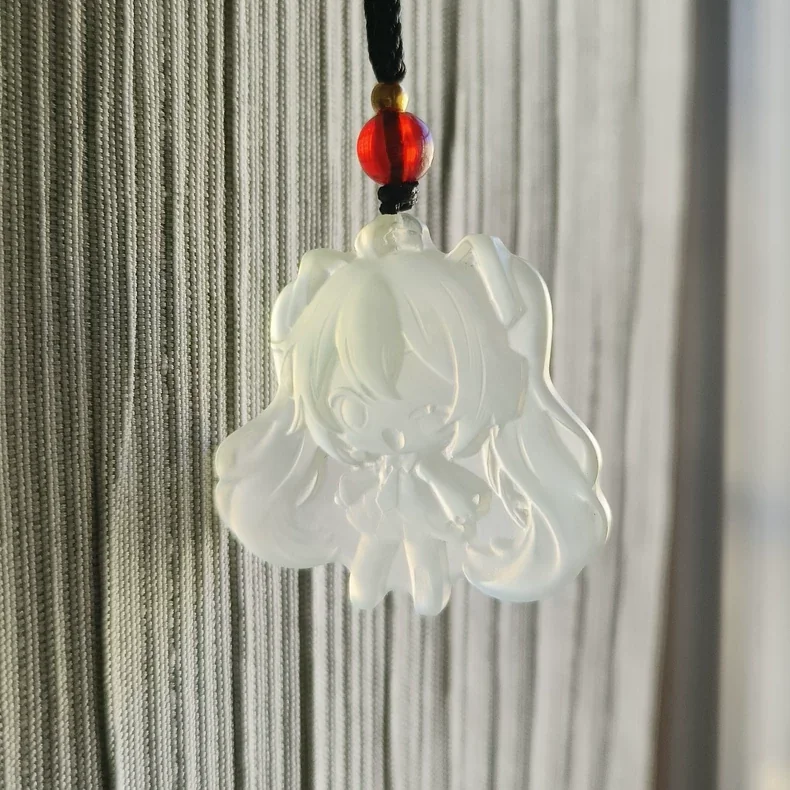
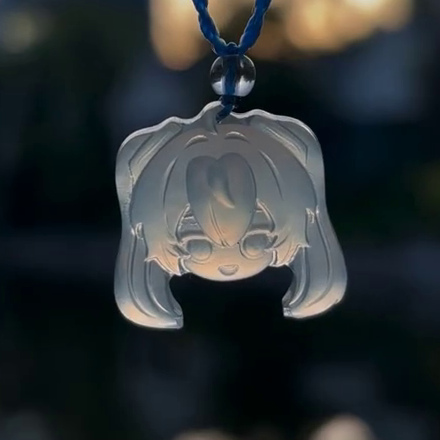
Jadeite and nephrite are different materials commonly sold under the name jade. A listing should identify the specific material, rather than leave you to infer it from a color or design name. Our listed Hatsune Miku necklace pendants disclose their material as Jade, without a certificate or a specified mineral variety. This article’s jadeite terminology does not identify their material.
For a discussion of unfinished material, read what rough jadeite looks like. Photos help you compare appearance; they do not replace identification of the item itself.
Understand Treatment Disclosures
A, B and C describe treatment, not a quality grade. In the terminology explained by GIA, Type A is natural jadeite, including conventional waxing; Type B is acid bleached and polymer filled; Type C is dyed. A stone can undergo more than one treatment.
Ask what is disclosed for the actual piece. A treatment term does not tell you its color, texture, fit or future value, and natural material is not a guarantee against damage. See our natural and treated jadeite guide for the distinction between observations and testing.
How to Read a Laboratory Report
If a seller provides a report, check the identified material, treatment findings and comments. Laboratories use different formats; the absence of a particular phrase is not enough to judge a report’s authenticity. Ask the issuing laboratory when wording is unclear.
Use the laboratory’s official verification service to check the report number, then compare the report’s item details with the piece. A report for a different stone is not evidence for this one. A product page without an explicitly listed report does not promise that one will be included.
Set a Budget Before Comparing Pieces
Color, transparency and texture are important factors in evaluating jadeite; see GIA’s quality guide. Decide your spending range first, then compare photographs, dimensions, design and the information available for each piece. A price alone cannot establish material or treatment status.
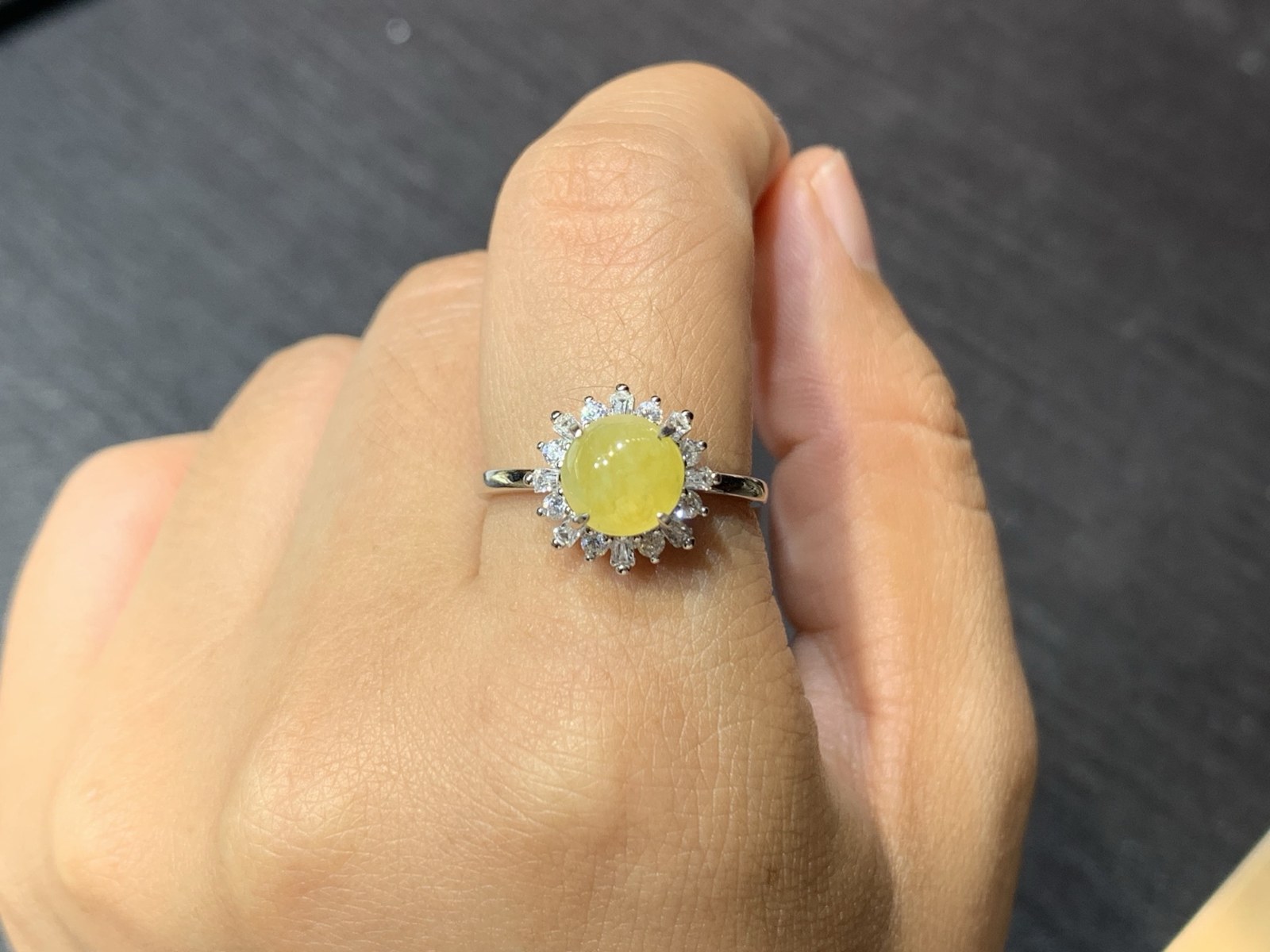
For rings, establish your size before choosing a stone. Our ring size guide explains home measurements and their limits. If an essential dimension is missing, ask about that product before paying; do not assume another size will be available.
Check the Listing and Purchase Terms
Look for clear material and treatment disclosure, useful photographs, and straightforward answers to questions. Check whether the piece is in stock or made to order, whether a report is included, and the applicable production, delivery and return terms.
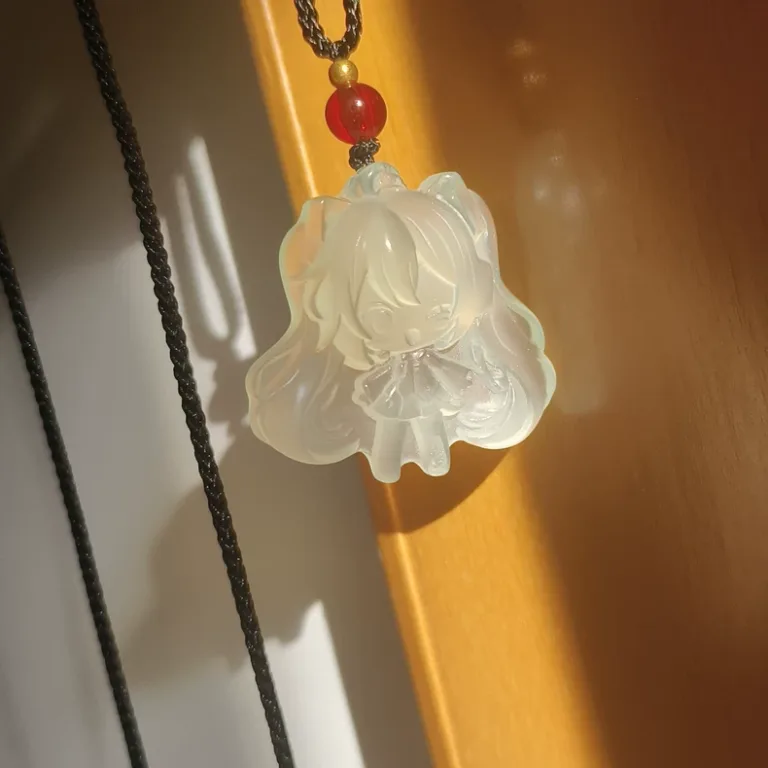
Compare our jadeite cabochon ring with the separate material and made-to-order details of our Hatsune Miku necklace pendant. They are different product types. Follow each listing’s material disclosure rather than treating both as Type A jadeite.
Continue With the Published Guides
Jadeite Treatment Terms at a Glance
These terms describe treatment, not a quality grade or a guarantee for every product in the shop.
Type A
Natural jadeite, including conventional surface waxing. Check the individual item and its documented treatment information.
Type B
Jadeite that has been acid bleached and impregnated with polymer resin.
Type C
Dyed jadeite. Material that is also bleached and polymer filled is commonly described as B+C.
Checking a Laboratory Report
If a listing includes a laboratory report, check what it says and which item it describes. Ask the issuing laboratory about unclear wording.
Featured Pieces in This Guide
Pieces Referenced in This Guide
View each listing for its material, photographs, availability and any documented report information.
Continue Reading
More Guides in the Jade Education Series
Have Questions About a Piece?
Contact us with questions about a listing, sizing or the documentation shown on its page.